

Do Solar Panels Work in Scotland?
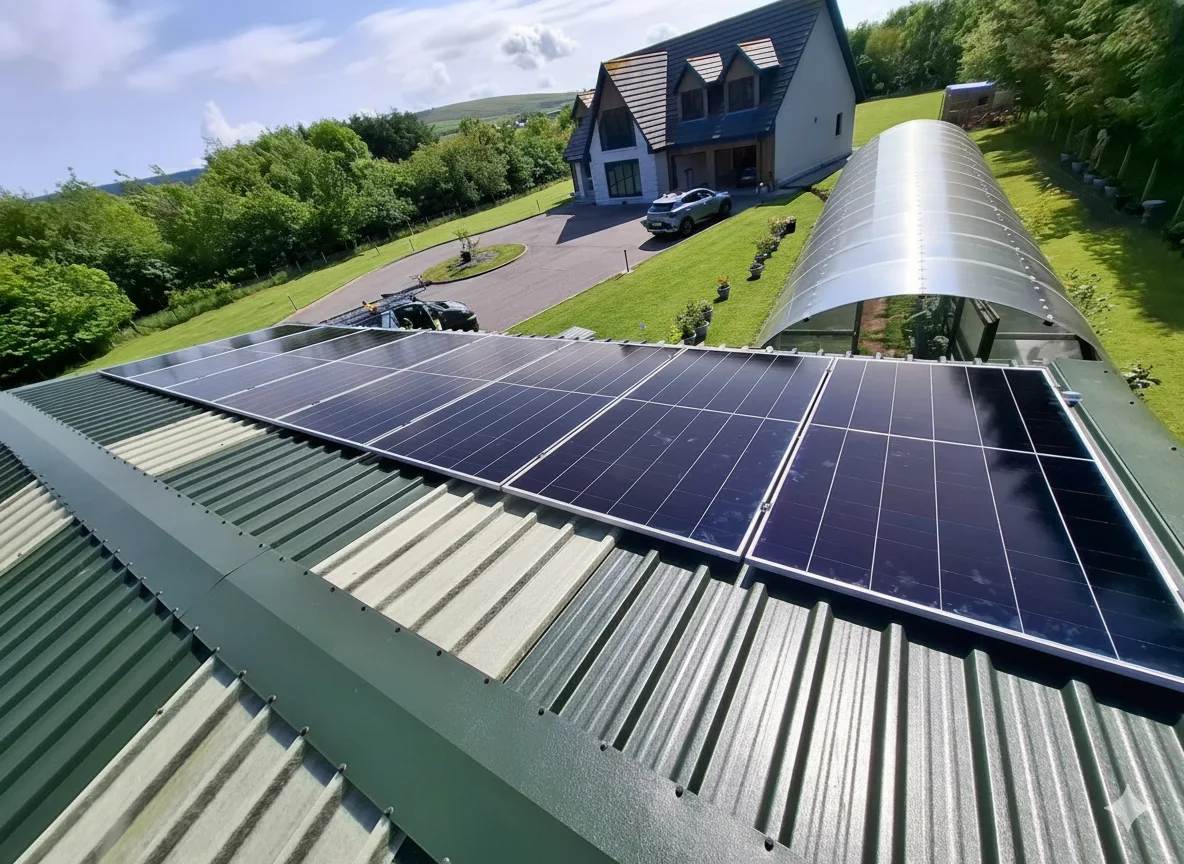
Yes. Solar panels generate electricity in Scotland, including on cloudy days. How much you get depends on your roof and the time of year. Below, we explain the seasonal pattern and show measured results from our installations.
Key facts
- Our live map tracks measured generation from 18 installations in the 10 September 2026 snapshot
- System estimates account for lower winter output and stronger summer generation
- Roof direction, pitch and shading affect how much electricity you can generate
Do solar panels actually work in Scotland?
Solar panels use light to generate electricity, including on cloudy days. Cloud cover reduces output, and heat is not the energy source.
Explore the live solar map to see individual installations and their measured output. Open a system and select the Last year view for its monthly generation graph.
What does the measured evidence show?
On 10 September 2026, our snapshot recorded 87,787.8 kWh from 18 installations: 252 panels with a combined capacity of 116.79 kWp. It covers October 2025 to September 2026, with September still incomplete. Readings may contain gaps.
The examples below show output alongside system size. A larger total alone does not mean a better-performing installation: panel capacity, roof conditions and the reporting period all matter. These are examples of measured generation, not a forecast for your home.
How much does generation change in winter?
Shorter days and a lower sun mean less generation in winter. Output usually rises through spring and summer, although weather changes the pattern from year to year. December and January are often quiet months; the monthly graphs show what happened at each installation.
We account for this seasonal change when sizing a system around your roof and electricity use. The aim is useful generation across the whole year. When comparing monthly readings, check the dates and remember that a gap in the data does not mean the panels generated nothing.
How do batteries and export help?
A battery stores electricity for later use, such as moving daytime solar generation into the evening. It does not increase solar generation or store summer output until winter. On darker days there may be little surplus solar available to charge it.
If your home cannot use all the electricity being generated and your battery is full, the surplus can go to the grid for credit, subject to your export tariff and connection limits.
Real measured output from our installs
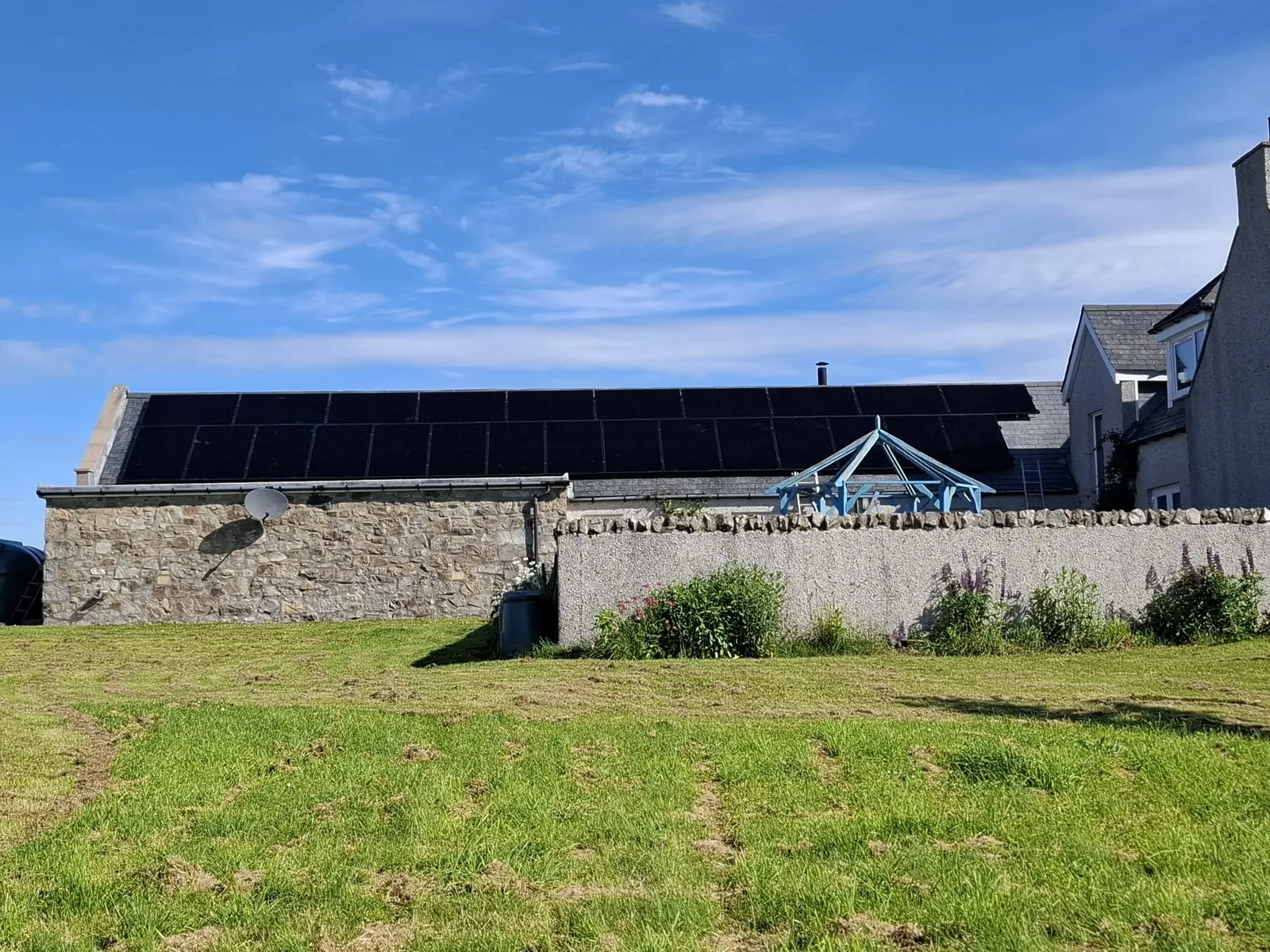
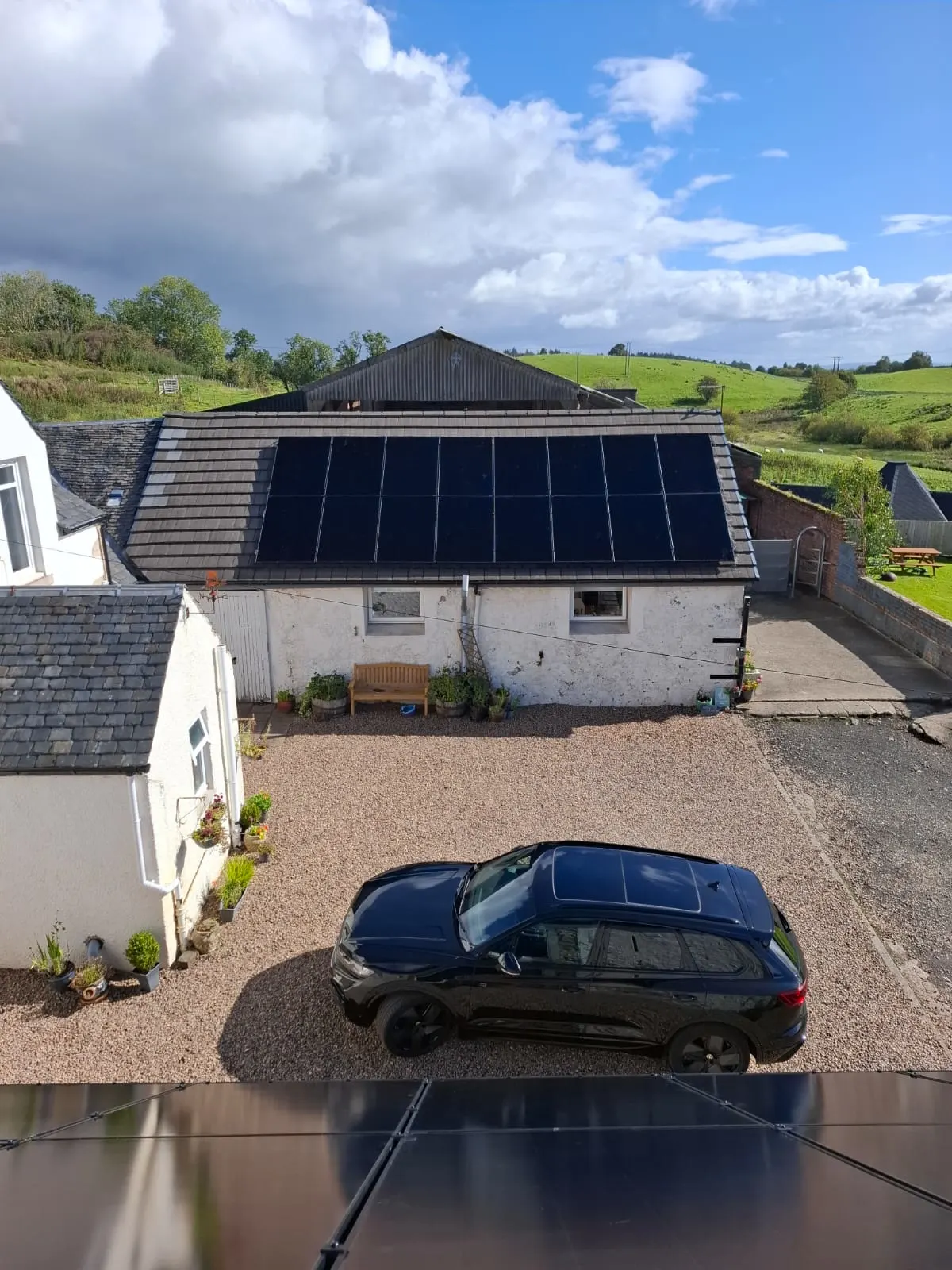
Three installations in that snapshot recorded 7,528.6 kWh in Inverness, 7,617.6 kWh in Johnstone and 8,491.8 kWh in Rockcliffe. Their panel capacities and installation dates are shown below; those dates are not the start of the reporting window.
Recorded generation: three Viking installs
- Inverness7,528.6 kWh
6.44 kWp, installed May 2025
- Johnstone7,617.6 kWh
9.2 kWp, installed June 2024
- Rockcliffe8,491.8 kWh
10.92 kWp, installed March 2025
Snapshot: 10 September 2026. October 2025 to September 2026, with September incomplete. Not lifetime totals; readings may contain gaps.
What this means for you
Ask for an estimate based on your location, roof direction, pitch and shading. Compare the expected generation with your electricity use and installation cost. The map can help you explore real examples, but its financial savings are estimates based on tariff assumptions, not measured bill reductions.
Browse the installations and compare their monthly readings. No sign-up needed.
See real measured output on our live mapFrequently asked questions
Do solar panels work on cloudy or overcast days in Scotland?
Yes. Panels use daylight, including light filtered through cloud. Output is lower than in direct sunshine.
Is solar worth it in Scotland compared to the rest of the UK?
Solar can be worthwhile in Scotland, but longer summer days do not simply cancel out differences in annual sunlight. The outcome depends on your location, roof, installation cost, electricity use and tariff.
How much electricity does a solar panel system generate in a Scottish winter?
It varies with the system, roof and weather. Use monthly readings from a particular installation and year as an example, rather than treating one December figure as a prediction for every home.
Does roof direction matter more in Scotland than elsewhere in the UK?
Roof direction, pitch and shading affect generation in Scotland as elsewhere. A south-facing roof is generally favourable, while east and west-facing arrays can spread generation into the morning and afternoon. Your survey should assess the actual roof.
Sources
Last verified: 10 September 2026. We re-check the facts on this page regularly; if a scheme or rate has changed since, the official source linked above is definitive.