

What £8,000-£12,000 Buys in Solar
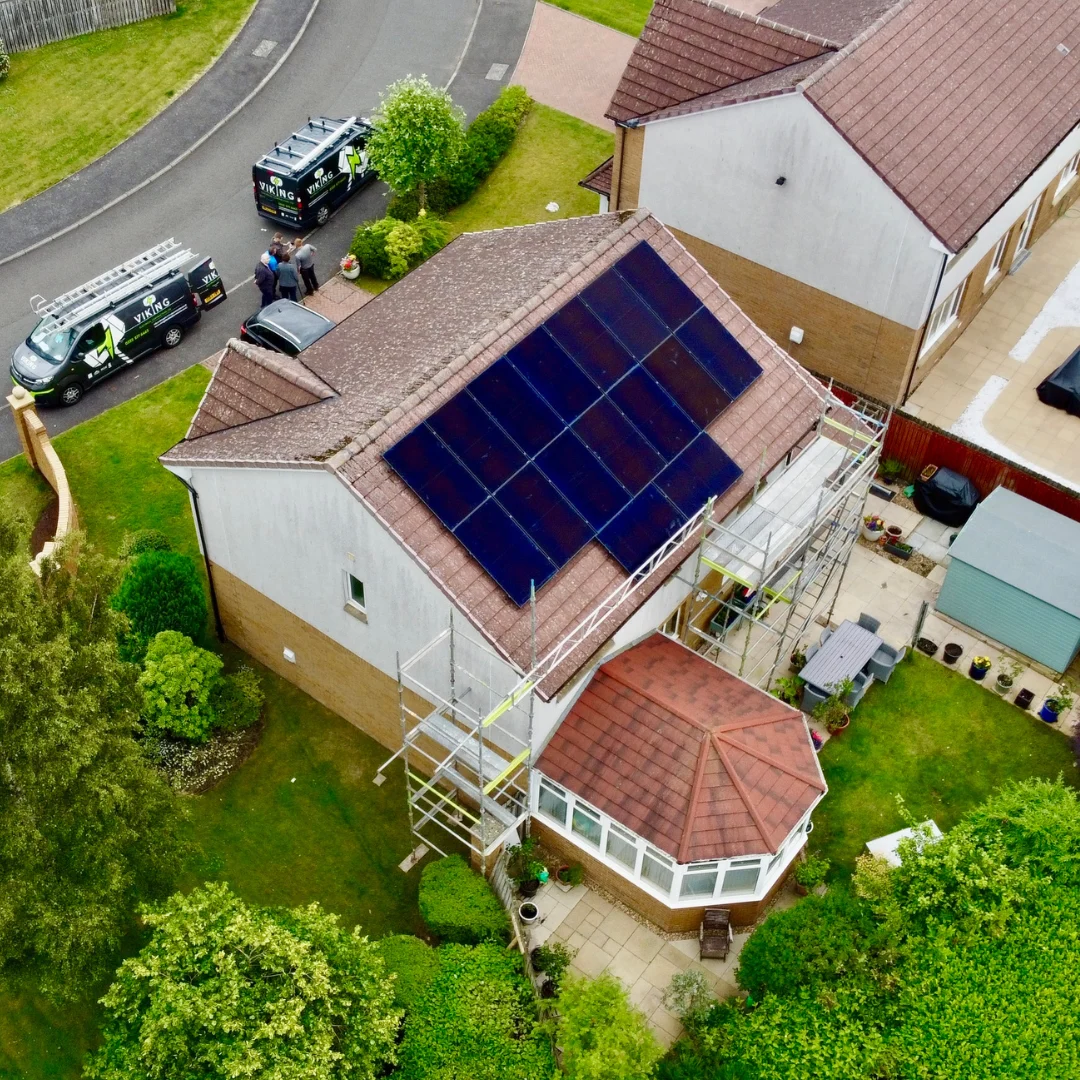
What you pay for solar mostly comes down to three things: how many panels you fit, whether you add a battery (and how big), and how straightforward your roof is to work on.
A fully installed solar and battery system typically lands between £8,000-£12,000, panels, battery, scaffolding, paperwork and certification included. A smaller, solar-only system without a battery costs less, and we confirm the exact figure at survey.
Below are three typical tiers, illustrative packages based on real system specifications, not one customer's invoice, so you can see roughly where your own home might sit.
Key facts
- Most fully installed solar and battery systems cost £8,000-£12,000, all-in
- Installs typically take 1 to 2 days on site, and Viking handles the DNO paperwork throughout
- Every system includes a 10-year workmanship guarantee; equipment warranties have separate terms
What actually moves the price of a solar system?
Three things do most of the work. Panel count sets how much electricity you can generate, and more panels means more roof space, more mounting hardware and a bigger inverter to handle the extra output. Battery size, or no battery at all, is the second lever: a battery lets you store daytime generation to use in the evening instead of drawing from the grid, but it adds meaningfully to the bill, and a bigger battery costs more than a small one.
The third lever is roof complexity. A straightforward single-pitch roof with easy scaffolding access costs less to work on than a steep, multi-face roof, a roof with dormers, or one that needs extra access equipment to reach safely. Older roof coverings such as slate can also need specific mounting hardware rather than the standard hooks used on modern tiles, which adds a little to the labour side without changing the panels or battery themselves.
Two homes with an identical number of panels can still end up on different quotes once you factor in roof shape, additional structural surveys, and battery choice. That is why a proper quote is itemised line by line rather than handed over as a single number with no breakdown.
What does a solar-only system look like?
At the entry end you are looking at a solar-only system: no battery, anywhere from six to fourteen panels depending on roof space, fitted on a straightforward roof, and priced below a solar and battery system of the same panel count. This tier suits flats, bungalows and smaller houses with modest daytime electricity use, where the priority is cutting the day-rate bill rather than storing power for the evening. There is no fixed solar-only package, so the exact figure depends on your panel count and roof, and we confirm it at survey.
A typical entry-level specification includes scaffolding, the panels themselves, an inverter sized correctly for the system, and full DNO paperwork, the grid network paperwork covered in more detail on our install day guide. Nothing on that list is optional extra work bolted on afterwards, it is what a solar install actually requires from the first day on site.
Households at this end of the range are often people who work mostly from home or during the day, so most of the electricity the panels generate gets used as it is produced rather than needing to be stored.
What does a mid-range system look like?
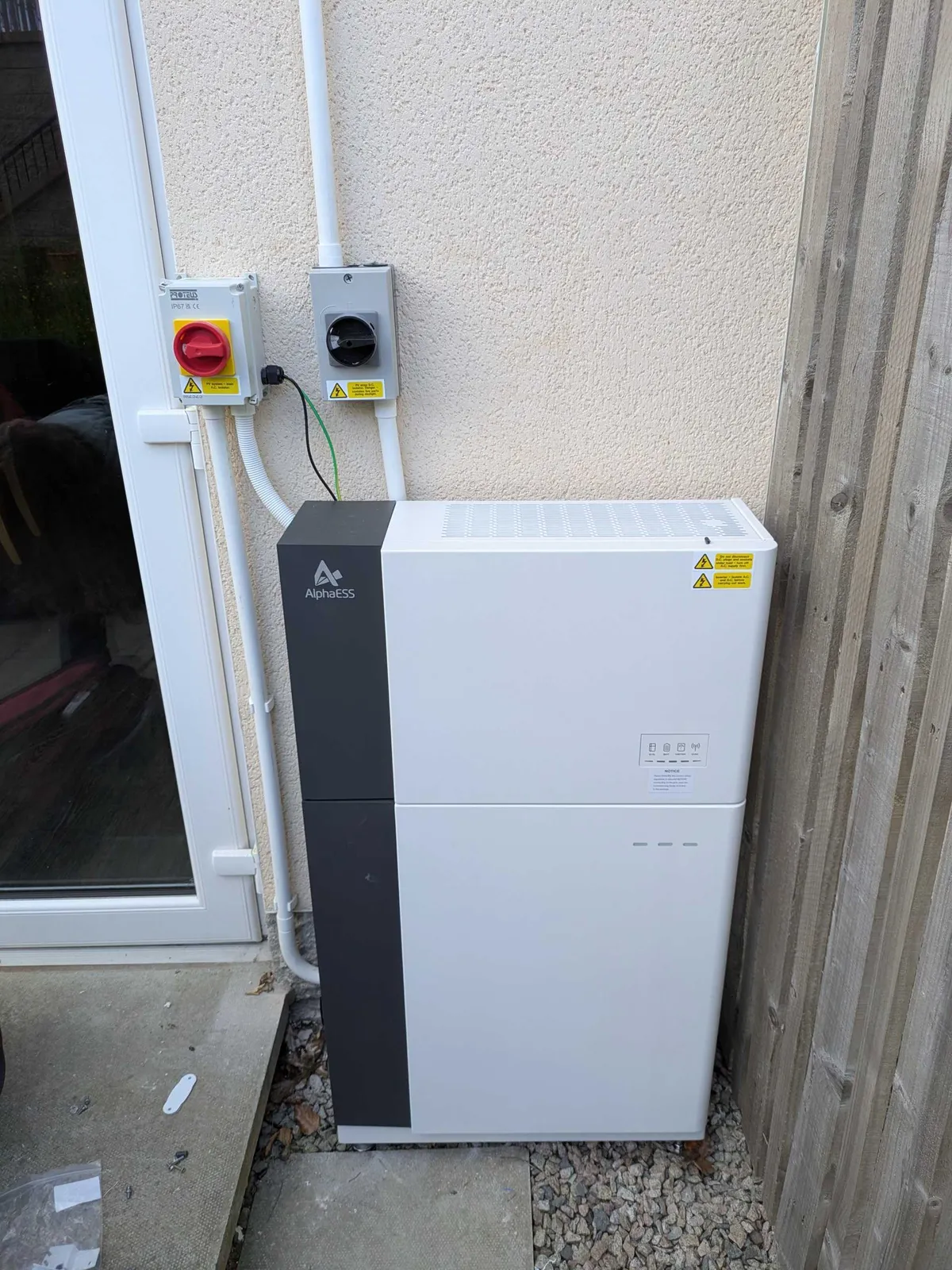
The lower end of the typical range, around £9,000, is usually a 10-panel array paired with a battery in the 5kWh region. Viking's Starter package is a real example of this tier: 10 Aiko or LONGi 480W panels, giving roughly 4.8kW of generating capacity, with a 4.8kWh Alpha ESS battery, at £8,899 fully installed with panel-level shading optimisation included. The same panels with a 5.1kWh EcoFlow battery, from our EcoFlow Premium range, come to £9,324.
This is the shape that suits a small-to-medium family home with a mix of daytime and evening electricity use, where storing surplus daytime generation to use after work makes a genuine difference rather than exporting the surplus for a lower return. It is also the tier where a battery starts to meaningfully change how much of your own generation you actually use, rather than sending most of it back to the grid.
What does a larger system look like?
Further up the range you get more panels and, at the top, a bigger battery. Viking's Family package, our most popular specification, is 14 Aiko or LONGi 480W panels, around 6.7kW of generating capacity, with a 4.8kWh Alpha ESS battery, at £9,777 fully installed. The Whole-Home package keeps the same 14 panels and doubles the storage to a 9.6kWh Alpha ESS battery, at £11,030, for homes that use a lot of electricity now or plan to, with a heat pump, an electric car or a home office.
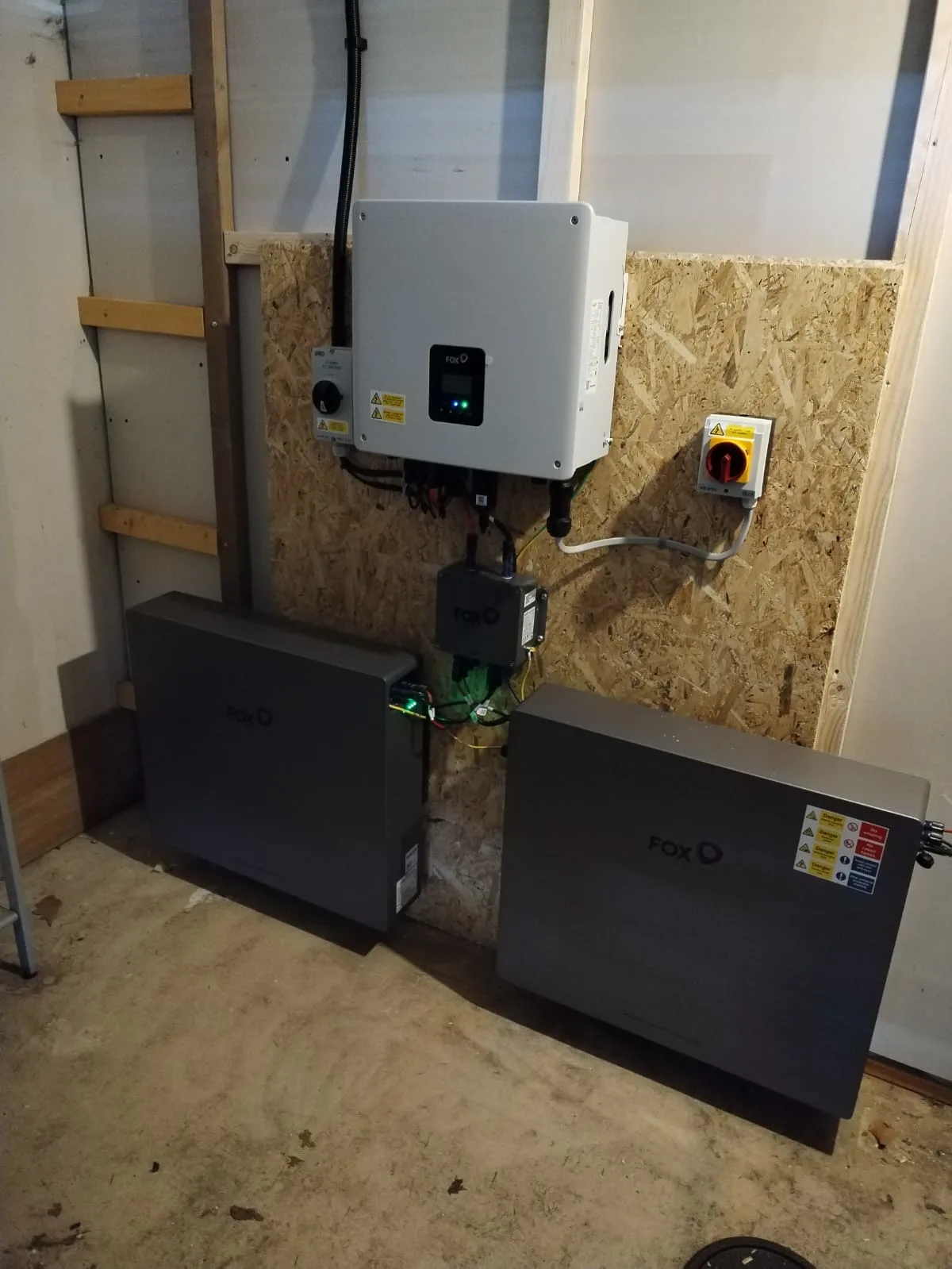
For households who want the premium battery, the EcoFlow versions of the same packages run from £9,324 for the Starter to £11,838 for the Whole-Home, which pairs the 14 panels with 10.2kWh of EcoFlow storage across two modules. Every one of these packages sits inside the £8,000-£12,000 range, which is why that range is the straight answer once a battery is included.
What's never extra with a proper quote?
Scaffolding, DNO paperwork and MCS certification, the accreditation that proves the install meets national standards, should already be built into the number you are quoted, not billed afterwards as a surprise extra. If a quote looks unusually low compared with others for a similar panel count, it is worth asking directly whether scaffolding, the DNO application and certification are actually included, or whether they will appear later as add-ons.
Check that your written quote includes scaffolding, the network paperwork and certification. Our 10-year workmanship guarantee covers the installation; panel, inverter and battery warranties have their own terms. Any change to the agreed work should be confirmed in writing with its price before it proceeds.
Three tiers, side by side
Solar-only tier: no battery, six to fourteen panels depending on roof space, priced below a solar and battery system of the same panel count, and confirmed exactly at survey, suited to flats and smaller homes with mainly daytime use.
Lower end of the typical range: illustrated by Viking's Starter package, 10 panels (4.8kW) with a 4.8kWh battery at £8,899, suited to 1 to 3 bedroom homes.
Upper end of the typical range: illustrated by Viking's Family package, 14 panels (6.7kW) with a 4.8kWh battery at £9,777, our most popular spec for 3 to 4 bedroom homes, and the Whole-Home package, the same 14 panels with a 9.6kWh battery at £11,030 for higher-usage households.
All of these figures include scaffolding, the panels and inverter, the battery where fitted, DNO paperwork and certification, there is no separate line item to budget for afterwards.
| Tier | Panels / capacity | Battery | Price |
|---|---|---|---|
| Solar only | 6 to 14 panels | None | Confirmed at survey |
| The Starter | 10 panels (4.8kW) | 4.8kWh | £8,899 |
| The Family | 14 panels (6.7kW) | 4.8kWh | £9,777 |
| The Whole-Home | 14 panels (6.7kW) | 9.6kWh | £11,030 |
All figures include scaffolding, panels and inverter, battery where fitted, DNO paperwork and certification.
What this means for you
If you are trying to work out roughly where your own home would sit, start with how many hours of the day electricity gets used before you look at panel counts or battery sizes at all. Mostly daytime use points to a smaller, solar-only system similar to the solar-only tier above. A household that is out at work all day and using power mainly in the evening usually gets more practical value from adding a battery, even if that means starting one tier up.
Roof shape and access matter too, and this is the part a photo or a rough estimate cannot really answer. A steep pitch, an older roof covering, or a roof with more than one usable face can shift a system from one tier to the next even with the same number of panels, which is exactly why a proper survey, not a generic online calculator, is what determines your actual number.
The figures above are typical packages built from real, currently available specifications, not a quote for your specific roof. For current, live package prices and to see exactly what is included at each tier today, visit our costs page below.
Want to see exactly what is included at each price point, updated with today's figures? Take a look at our current package prices.
See current package pricesFrequently asked questions
How much does a solar panel system cost in Scotland?
A fully installed solar and battery system typically costs £8,000-£12,000, depending on panel count, battery size and roof complexity. That figure is all-in: scaffolding, panels, inverter, battery, DNO paperwork and certification. A smaller, solar-only system without a battery costs less, confirmed exactly at survey.
Does the price include scaffolding and paperwork?
With a proper quote, yes. Scaffolding, DNO (Distribution Network Operator) submission and MCS certification should be included in the headline price, not added afterwards. At Viking they always are.
Do I need a battery, or can I just fit panels?
It depends on when you use electricity. Households that use most of their power during the day can do well with a solar-only system. Evening-heavy households usually get more value from adding a battery, since it stores daytime generation to use after work.
What size system does a typical family home need?
Many family homes in Scotland end up in the 10 to 14 panel range with a battery around 5kWh to 10kWh, similar to Viking's Starter, Family or Whole-Home packages. The right size depends on your roof space and how much electricity your household uses.
Why do two similar-looking quotes come out at different prices?
Roof complexity is the usual reason. Two homes with the same panel count can cost differently once you factor in roof shape, scaffolding access, additional structural surveys and battery choice, which is why an itemised quote matters more than a single headline number.
Is a bigger, more expensive system always better value?
Not automatically. A larger system such as the 14-panel Whole-Home package, with 9.6kWh or 10.2kWh of storage, suits a household with high daytime and evening usage, an EV to charge, or a heat pump on the way. For a smaller household with modest usage, a solar-only system or the Starter package can be the better match, since the extra storage only makes a difference if you actually use or store the additional generation.
Related guides
Last verified: 8 September 2026. We re-check the facts on this page regularly; if a scheme or rate has changed since, the official source linked above is definitive.